
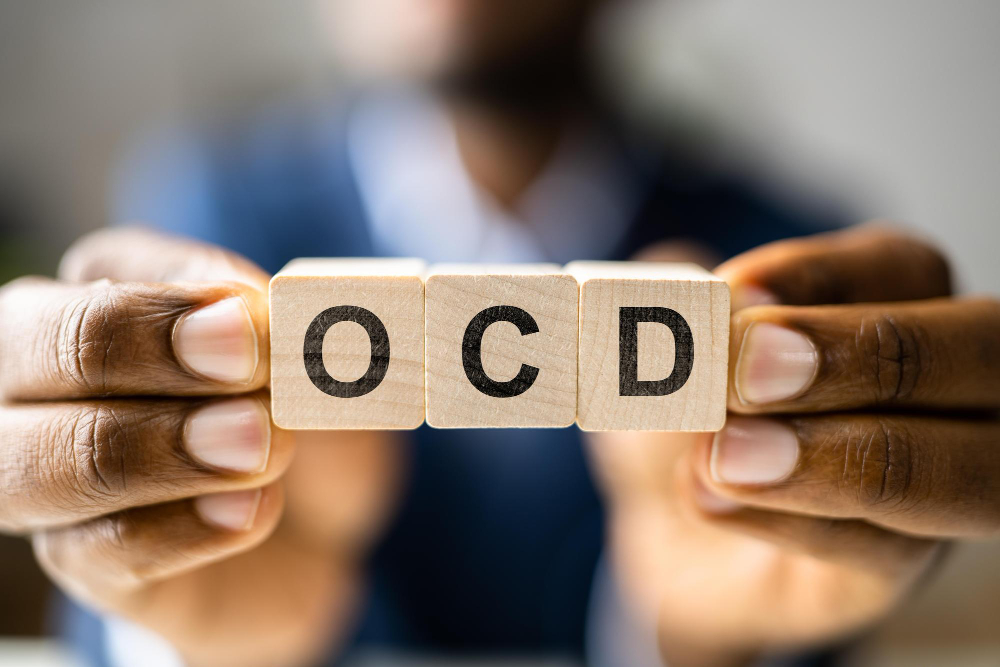
What is OCD?
OCD, or Obsessive-Compulsive Disorder, is a mental health condition. It causes people to have unwanted thoughts, called obsessions. These thoughts often lead to repetitive actions, known as compulsions. For example, someone may wash their hands many times to ease anxiety. Although everyone has worries, OCD thoughts and actions can take up a lot of time. As a result, daily life may become hard. According to the World Health Organization (WHO), OCD affects people of all ages. It can start in childhood or adulthood. Early treatment can help manage symptoms.
Common Symptoms of OCD
OCD symptoms usually include both obsessions and compulsions. However, some people may have only one type. Here are some common signs:
Often, these actions bring only short-term relief. But the anxiety soon returns. Over time, OCD can affect work, school, and relationships.
Causes and Risk Factors
Experts do not know the exact cause of OCD. Still, several factors may play a role. For instance, family history can increase risk. If a close relative has OCD, you may be more likely to develop it. In addition, changes in brain chemistry may be linked to OCD. Some studies suggest that stress or trauma can trigger symptoms. Other risk factors include:
While these factors may raise the risk, not everyone with them will get OCD.
How OCD is Diagnosed
Doctors use a careful process to diagnose OCD. First, they ask about your thoughts, feelings, and actions. Next, they may use special questionnaires. Sometimes, doctors rule out other health problems. For example, they may check for anxiety or depression. According to the CDC, OCD is diagnosed when obsessions and compulsions take up more than one hour each day. Also, these symptoms must cause distress or problems in daily life. Early diagnosis helps people get the right treatment.
Treatment Options for OCD
There are several ways to treat OCD. Most people benefit from a mix of therapy and medication. Here are the main options:
Although treatment may take time, many people see improvement. For best results, follow your doctor’s advice closely.
Lifestyle Tips and Coping Strategies
Living with OCD can be challenging. However, some daily habits can make a big difference. Try these tips:
With time, these steps can help you feel more in control. Remember, progress may be slow, but every step counts.
Prevention and When to Seek Help
Currently, there is no sure way to prevent OCD. Still, early action can stop symptoms from getting worse. If you notice signs of OCD in yourself or a loved one, reach out for help. For example, if obsessions or compulsions disrupt daily life, it is time to talk to a mental health specialist. Early support can lead to better outcomes. Do not wait for symptoms to become severe.
If you think you or someone you know may have OCD, consult Dr. Amit Kumar Patel for personalized guidance on OCD.