
Introduction
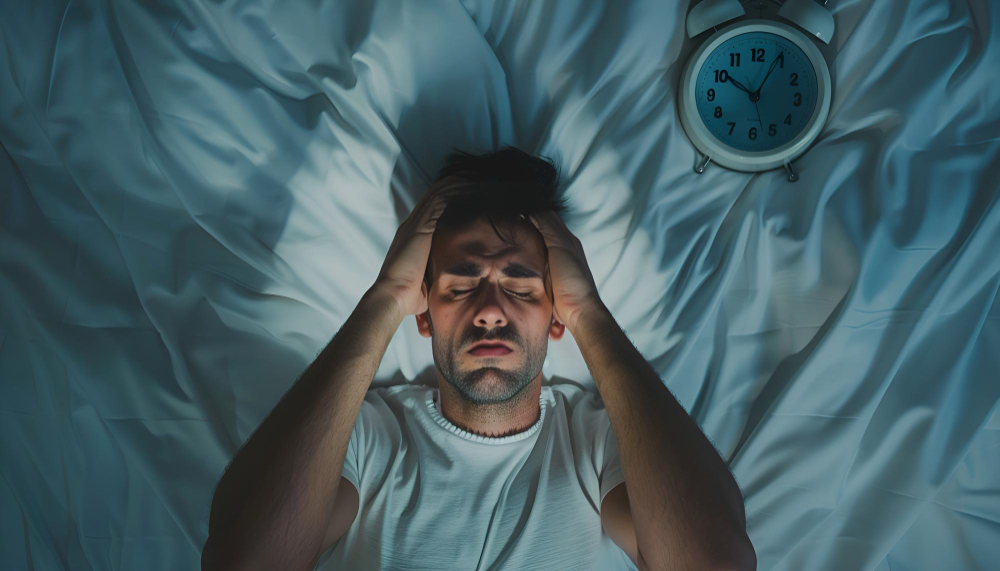
Many people struggle to manage sleep disturbances. These problems can affect your mood, focus, and health. Sleep disturbances include trouble falling asleep, staying asleep, or waking up too early. Because sleep is vital for your body and mind, poor sleep can lead to bigger issues. For example, you may feel tired, irritable, or anxious. Improving sleep quality is important for everyone. With psychiatric tips for better sleep and practical advice, you can start overcoming sleep problems today.
What Are Sleep Disturbances?
Sleep disturbances are changes in your normal sleep pattern. They can make it hard to get enough rest. For instance, you might have trouble falling asleep or wake up often during the night. Sometimes, you may wake up too early and cannot fall back asleep. These issues can happen once in a while or become a regular problem. Because sleep is so important, even small changes can affect your daily life.
Common Causes of Sleep Disturbances
Many things can cause sleep disturbances. Some are physical, while others are mental or emotional. Understanding the cause can help you find the right solution. Here are some common reasons:
Because these causes are common, many people experience sleep problems at some point.
Symptoms and Warning Signs
Sleep disturbances can show up in many ways. It is important to notice these signs early. For example, you may:
If these symptoms last for more than a few weeks, you may need extra help.
Psychiatric Approaches to Managing Sleep Disturbances
Psychiatric tips for better sleep can make a big difference. Mental health experts use several methods to help people sleep better. For example, they may suggest:
Because everyone is different, a mental health specialist can help you find the best approach.
Practical Tips for Better Sleep
There are many simple ways to improve sleep quality at home. Try these practical tips:
In some cities, local noise or light can disturb sleep. If you live in a busy area, consider earplugs or blackout curtains.
When to Seek Professional Help
Sometimes, sleep problems do not improve with self-care. If you have trouble sleeping for more than three weeks, it is time to talk to a doctor. You should also seek help if:
Because sleep is linked to your health, a doctor or mental health specialist can help find the cause and suggest treatment.
Prevention and Lifestyle Guidance
Preventing sleep disturbances is possible with healthy habits. For example, you can:
Because small changes can have a big impact, start with one or two tips and build from there.
Conclusion
Sleep disturbances can affect both health and well-being. With practical strategies and psychiatric guidance, you can restore better sleep. If issues persist, consult a mental health specialist for personalized management and support, Dr. Amit Kumar Patel.