What is Postpartum Depression?
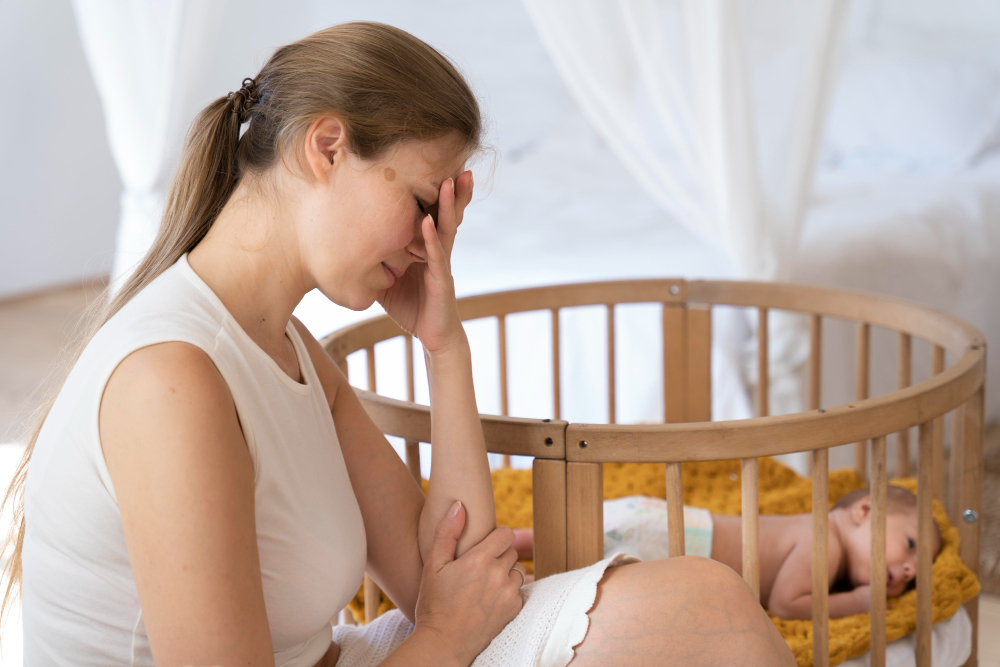
Postpartum depression is a type of depression that affects some women after childbirth. It is more than just feeling sad or tired. While many new mothers feel overwhelmed, postpartum depression is a serious mental health condition. Early recognition and support can help mothers recover faster. Importantly, postpartum depression can affect anyone, regardless of age or background.
Symptoms of Postpartum Depression
Recognizing postpartum depression symptoms is important for early treatment. Although some symptoms may seem like normal changes after childbirth, they can be more severe and last longer. For example, you may notice:
However, not everyone will have all these symptoms. If you notice any of these signs, it is important to seek help.
Causes and Risk Factors
Postpartum depression does not have a single cause. Instead, it often results from a mix of physical, emotional, and social changes. For instance, hormone levels drop quickly after childbirth, which can affect mood. In addition, lack of sleep and new responsibilities can add stress. Some common risk factors include:
Even so, postpartum depression can happen to anyone, even without these risk factors.
Diagnosis and When to Seek Help
Doctors diagnose postpartum depression by asking about your feelings, thoughts, and daily life. They may use simple questionnaires to help spot symptoms. If you feel sad, anxious, or overwhelmed for more than two weeks, you should talk to a healthcare provider. Moreover, if you have thoughts of harming yourself or your baby, seek help right away. Early diagnosis can lead to better outcomes. Remember, asking for help is a sign of strength, not weakness.
Treatment Options
There are several ways to treat postpartum depression. Treatment depends on how severe your symptoms are. Some common options include:
For mild cases, support and therapy may be enough. In more severe cases, doctors may suggest medication. However, always discuss the risks and benefits with your doctor, especially if you are breastfeeding. According to the WHO, most women recover fully with the right treatment and support.
Lifestyle Tips and Prevention
While you cannot always prevent postpartum depression, some steps may lower your risk. For example, you can:
Additionally, regular check-ins with your doctor can help catch symptoms early. If you have a history of depression, tell your healthcare provider during pregnancy. This way, you can plan extra support after your baby arrives.
In summary, postpartum depression is a common and treatable condition. If you or someone you know is struggling, do not wait. Consult your doctor for personalized advice and support. Early help can make a big difference for you and your family.
If you or someone you know is struggling after childbirth, consult Dr. Amit Kumar Patel for compassionate evaluation and personalized care.