
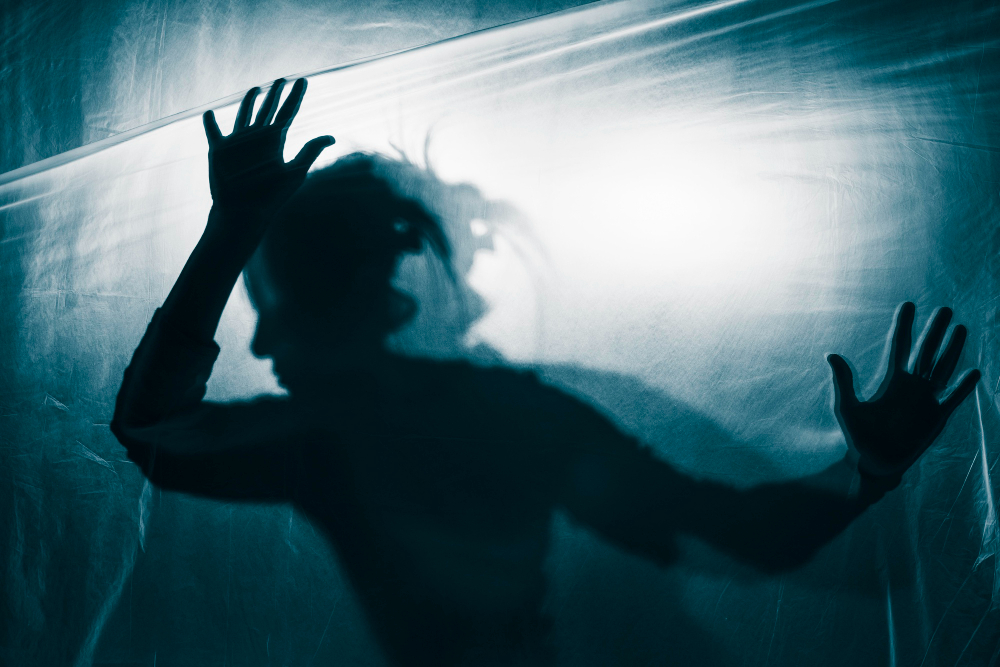
What is Claustrophobia?
Claustrophobia is a type of anxiety disorder. It means a strong fear of enclosed or small spaces. For example, people with Claustrophobia may feel panic in elevators, crowded rooms, or even cars. This fear can make daily life hard. However, Claustrophobia is treatable. Many people find relief with the right help.
Common Symptoms of Claustrophobia
People with Claustrophobia often notice symptoms when they are in tight spaces. Sometimes, even thinking about these places can cause anxiety. Common signs include:
In many cases, these symptoms start quickly. But they usually go away once the person leaves the space.
Causes and Risk Factors
Although the exact cause of Claustrophobia is not clear, several factors may play a role. For instance, some people develop Claustrophobia after a traumatic event. Others may have a family history of anxiety or phobias. In addition, certain brain changes can increase risk. Here are some common risk factors:
Because everyone is different, not all people with these risk factors will develop Claustrophobia.
How Claustrophobia is Diagnosed
Doctors and mental health specialists use interviews and questionnaires to diagnose Claustrophobia. First, they ask about your symptoms and when they occur. Next, they may ask about your medical and family history. Sometimes, they use special tests to rule out other conditions. For a diagnosis, the fear must be strong, last for at least six months, and affect daily life. If you think you have Claustrophobia, it is important to seek help. Early diagnosis can lead to better treatment results.
Treatment Options for Claustrophobia
There are several effective treatments for Claustrophobia. Most people benefit from a mix of therapy and self-help strategies. Here are some common options:
Because each person is unique, treatment plans should be tailored to individual needs. If you live in a city, many clinics offer specialized phobia treatment programs.
Tips for Managing and Preventing Claustrophobia
While professional help is important, there are steps you can take at home. For example, you can:
In addition, learning about Claustrophobia can help you feel more in control. Remember, early action can prevent symptoms from getting worse.
If you or someone you know struggles with Claustrophobia, consult a mental health specialist Dr. Amit kumar patel for personalized support.