What Is Anxiety?
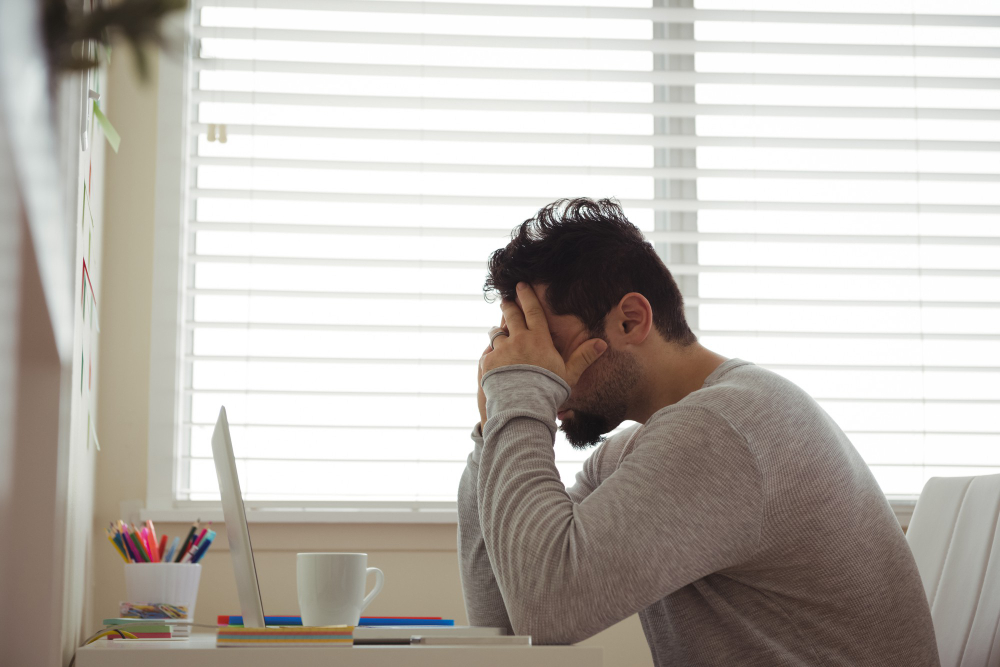
Anxiety is a feeling of worry or fear. Everyone feels anxious sometimes. However, when anxiety becomes strong or lasts a long time, it can affect daily life. For many people, anxiety can cause both emotional and physical symptoms. According to the World Health Organization, anxiety disorders are among the most common mental health conditions worldwide. Because anxiety can look different for each person, it is important to understand its signs and how to manage anxiety effectively.
Common Symptoms of Anxiety
People with anxiety may notice many different symptoms. These can affect the mind and body. For example, you might feel nervous or restless. In addition, physical symptoms can appear. Below are some common signs of anxiety:
Sometimes, these symptoms can come and go. But if they last for weeks or months, it may be time to seek help.
Causes and Risk Factors
Many things can cause anxiety. Often, it is a mix of factors. For instance, stressful life events can trigger anxiety. In addition, family history can play a role. Here are some common causes and risk factors:
Because everyone is different, not all people with these risk factors will develop anxiety. However, knowing them can help you understand your own risk.
How Anxiety Is Diagnosed
If you think you have anxiety, a doctor or mental health professional can help. First, they will ask about your symptoms and medical history. Next, they may use simple questionnaires to learn more. Sometimes, they will do a physical exam to rule out other problems. For example, thyroid issues can cause similar symptoms. After gathering information, the doctor can decide if you have an anxiety disorder. Early diagnosis can help you find the right treatment sooner.
Treatment Options for Anxiety
There are many ways to treat anxiety. Often, a mix of treatments works best. Below are some common anxiety treatment options:
Because each person is unique, your doctor will help you choose the best plan for you.
Lifestyle Tips and Prevention
While you may not prevent all anxiety, healthy habits can help. For example, regular exercise can lower stress. In addition, eating balanced meals and getting enough sleep are important. Here are some tips to manage anxiety:
Over time, these steps can make a big difference. However, if anxiety continues, more help may be needed.
When to Seek Help
Sometimes, anxiety can feel overwhelming. If your symptoms last more than a few weeks, or if they stop you from living your life, it is time to reach out. For example, if you have trouble working, going to school, or caring for yourself, seek support. In addition, if you ever have thoughts of harming yourself, get help right away. Remember, you are not alone. Many people manage anxiety with the right support and treatment.
If you experience symptoms of anxiety, consult a mental health professional like Dr. Amit Kumar Patel for personalized advice.